
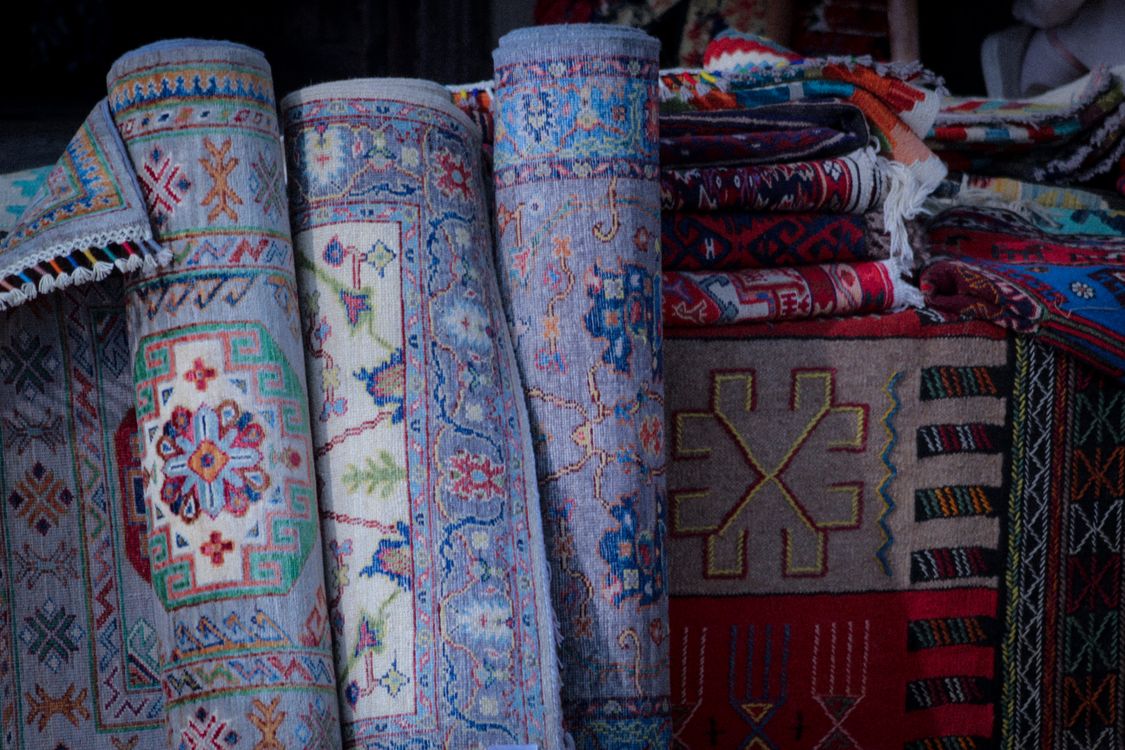
Welcome, dear craft and discovery enthusiasts, to the heart of Agadir's vibrant Souk El Had! As a local expert, I am delighted to guide you through the enchanting alleys of this covered market, the largest in Africa. Nestled in the magnificent Souss-Massa region, in Agadir, southern Morocco, Souk El Had is much more than just a place of commerce; it's a cultural crossroads where history and traditions come alive around every corner. Its 6,000 shops and stalls offer a total immersion into the Moroccan way of life. Among the treasures this gigantic souk holds, Berber rugs and kilims hold a special place, true woven souls of ancestral tribes. These unique pieces, rich in symbolism and history, reflect a millennial savoir-faire passed down from generation to generation. Each rug tells a story, each pattern is a symbol, each color an emotion. Whether you are an experienced collector or simply curious to take a piece of the Moroccan soul home with you, understanding the fascinating world of these textile artworks is essential to making an informed choice. Prepare for a sensory and cultural journey through wools, patterns, and legends. Together, we will explore the origins, techniques, materials, and, above all, give you the keys to finding the rug of your dreams and negotiating the fair price within our bustling souk. Let yourself be charmed by the richness of this unique craftsmanship.
The Soul of Berber Rugs: Patterns, Symbols, and Tribal Origins
Berber rugs are canvases where the identity and beliefs of the women who weave them are expressed. Each pattern, line, and geometric shape is an ancestral symbol, often linked to fertility, protection, nature, or the daily life of the nomadic tribes of the Atlas.
- Beni Ouarain: Originating from the Middle Atlas, these rugs are famous for their thick, soft, undyed wool, with minimalist geometric patterns (diamonds, lines) on a cream background. They embody a highly sought-after minimalist elegance.
- Azilal: From the Azilal province, these rugs are recognizable by their asymmetrical patterns, vibrant colors, and abstract shapes, often integrated into a natural wool field. Each piece is a spontaneous work of art.
- Boujaad: These rugs from Haouz and the Middle Atlas are distinguished by their warmer colors (reds, oranges, pinks) and complex, often irregular patterns that tell a personal story. They have a rich texture and rustic charm.
- Kilims (Hanbel): Unlike knotted rugs, kilims are flat-woven rugs, without pile. Their patterns are often more graphic, with stripes, chevrons, or stylized tribal motifs. They are lighter and reversible, ideal for warm climates.
Each tribe has developed its own style and symbols. At Souk El Had, you can admire this incredible diversity and let your heart guide you.
Noble Materials and Ancestral Craftsmanship: Rug Manufacturing
The quality and durability of a Berber rug or kilim lie in the nobility of its materials and the mastery of its craftsmanship.
- Wool: The preferred material, Berber sheep wool is renowned for its robustness, softness, and ability to retain warmth. At Souk El Had, you will primarily find rugs made from Atlas sheep wool, often undyed for Beni Ouarain or dyed with natural pigments for Azilal and Boujaad. The quality of the wool is a key indicator of value.
- Cotton: More rarely used alone for thick rugs, cotton can be present in the warp and weft of kilims or for pattern details, providing a different texture and better hold.
- Weaving Techniques:
- Knotted Rugs: The majority of Berber rugs are hand-knotted. Thousands of knots are tied one by one to the warp of the rug, creating a thick pile. The knot density (number per cm²) is an important quality criterion: the higher it is, the denser and more durable the rug.
- Kilims (Flat-woven): Kilims are made by flat weaving, where the weft threads are passed and packed between the warp threads to create the pattern. There is no pile. This technique produces thinner and lighter rugs.
Rug craftsmanship is a long and meticulous, entirely manual work that requires patience and expertise. Each rug is the result of weeks, even months of labor, which justifies its value.
Distinguishing Authenticity and Mastering the Art of Negotiation
At Souk El Had, the abundance of rugs can be overwhelming. Here's how to spot a rare gem and get the best price.
- Recognizing Authenticity and Quality:
- The Smell: A real wool rug will have a slight natural smell, never chemical.
- Flexibility: A good quality rug is flexible and folds easily.
- Imperfections: Handmade rugs often have slight irregularities (patterns, dimensions), which are guarantees of authenticity. A "perfect" rug might be machine-made.
- Fringes: The fringes of an authentic Berber rug are a natural extension of the warp, not sewn on afterwards.
- The Reverse: The reverse side should be clean, with visible and regular knots, and the pattern should appear in mirror image.
- Age: An old (vintage) rug will have slightly faded colors and a natural patina, which adds to its value.
- The Art of Negotiation ("Chira"):
- Take Your Time: Don't rush. Compare several vendors and several rugs.
- Show Interest, Not Urgency: Talk to the vendor, ask questions about the origin and manufacturing. It's a social interaction.
- The First Price is Always the Starting Point: Expect a high initial price.
- Propose a Reasonable Price: Start your counter-offer at about 40-50% of the advertised price, then gradually increase.
- Be Respectful and Smiling: Negotiation is a friendly game.
- Don't Hesitate to Walk Away: If the price doesn't suit you, thank them and leave. The vendor will often call you back with a better offer.
- Set a Budget: Have an idea of the maximum price you are willing to pay.
Berber rugs and kilims from Souk El Had in Agadir are true treasures, carrying a rich history and ancestral craftsmanship. By following this guide, you are now equipped to appreciate the beauty of these textile works, distinguish authentic pieces, and confidently navigate the art of negotiation. Taking a rug from Souk El Had means taking a piece of Morocco's soul, a work of art that will transform your interior while reminding you of the warmth and hospitality of Agadir. Don't hesitate to get lost in the alleys, feel the textures, admire the colors, and let the rug of your dreams find you. Happy shopping and wonderful discovery in the heart of our millennial souk!