In the heart of the vibrant city of Agadir, gateway to the magnificent Souss-Massa, stands an emblematic institution: Souk El Had. This covered market, the largest in Africa, is more than just a place of commerce; it's a living museum, a crossroads of cultures and traditions where the soul of Maroc expresses itself powerfully. Every alley, every stall resonates with the history and ancestral know-how of artisans who perpetuate millennia-old gestures.
While millions of visitors flock each year to soak in this unique atmosphere, many seek to bring home an authentic fragment of this cultural richness. But how to distinguish true art from a simple souvenir? How to ensure you acquire a piece that tells a story, crafted with passion and respect for traditions? This guide is your compass to navigate the enchanted labyrinth of handicrafts at Souk El Had in Agadir. We invite you to uncover the secrets of Safi pottery, supple leather goods, babouches with delicate patterns, Berber jewelry laden with symbols, and fine embroidery. Prepare for a deep immersion into the world of master artisans, to understand their expertise, and receive practical advice for informed choices, ensuring each acquisition is an authentic and meaningful treasure.
The Heart of Handicrafts: Know-How and Heritage of Souss
Souk El Had is a living showcase of Moroccan know-how, where craftsmanship is transmission, passion, and timeless art. Each alley reveals treasures shaped with precise gestures, perfected over generations.
- Safi Pottery: The Brilliance of Terracotta
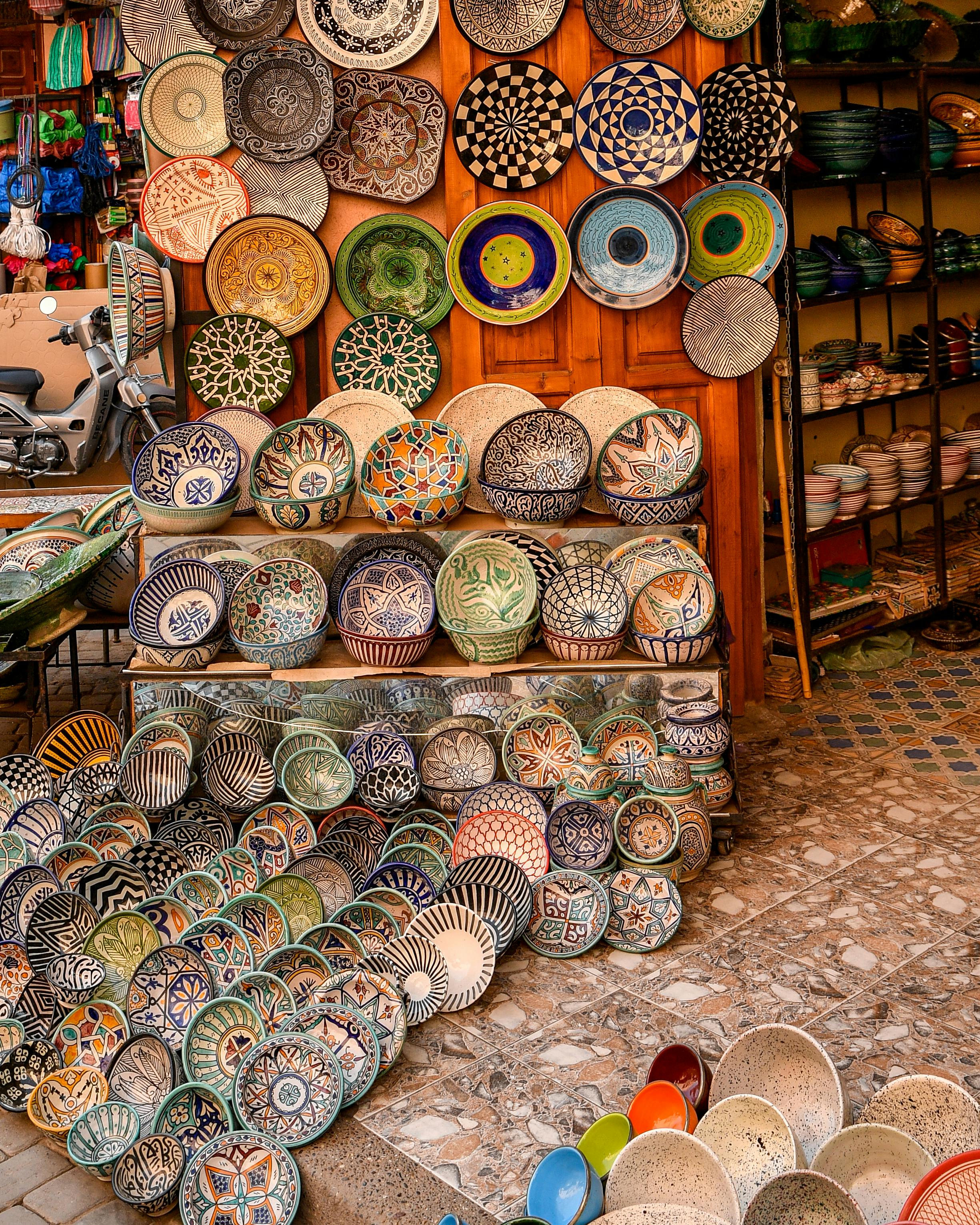
Safi, near Agadir, is the epicenter of pottery. Its creations, with vibrant colors and complex patterns on glossy enamel, include tagines and tableware. Each piece reflects the potters' talent, with dominant hues like cobalt blue or saffron yellow.
- Leather Goods: From Glossy Leather to Soft Skin
Moroccan leatherwork is legendary. At Souk El Had, bags, belts, wallets, and poufs abound. The leather, often tanned using ancestral methods, offers patina and durability. Touch the material, examine the robust seams: signs of authentic quality.
- Babouches: Elegance for Your Feet
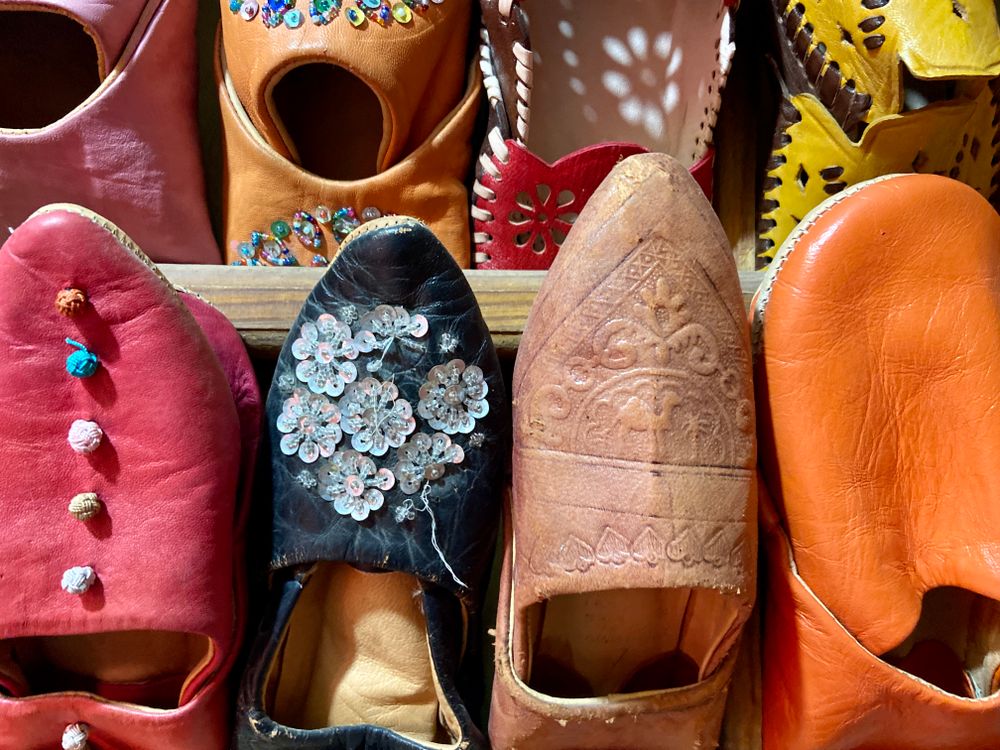
A symbol of hospitality, babouches are soft leather slippers. The souk is full of varied styles: pointed ones embroidered with gold threads, or simple, comfortable models. Each pair is a wearable work of art, combining tradition, comfort, and aesthetics.
- Berber Jewelry: Treasures of Silver and Symbols
Berber craftsmanship from Souss is expressed through its jewelry. Often made of silver, these adornments are amulets, symbols of protection and identity. Necklaces, bracelets, fibulae (tizerzaï), and earrings, adorned with ancient motifs and stones, tell an ancestral story.
- Embroidery: The Art of Thread and Patience
Moroccan embroidery is exquisitely fine, enhancing textiles and traditional clothing. Each region, from Souss to Fès, has its distinctive patterns and techniques. At the souk, admire the regularity of stitches on tablecloths, cushions, or veils, testaments to the embroiderers' patience and dexterity.
Meet the Master Artisans: The Human Behind the Object
The most enriching experience at Souk El Had is the encounter. Behind each stall, an artisan perpetuates family know-how. Take the time to observe and engage in conversation.
- Observe Live Work: Some artisans work on-site. This is a unique opportunity to witness the creation of a babouche or the chiseling of a piece of jewelry. These moments connect directly to the object's origin.
- Ask Questions: Ask how the object was made, where the materials come from, or the meaning of the patterns. Artisans often share their knowledge, enriching your purchase.
- Recognize Authenticity: A passionate artisan will explain the nuances between handmade and mass production. Their expertise is your best guarantee of authenticity and value.
Practical Guide for Informed Purchases at Souk El Had in Agadir
Buying handicrafts at Souk El Had is an art. Here are tips for finding authentic treasures and supporting local artisans:
- Negotiation (Bargaining): Negotiation is a tradition. Approach it with respect and a smile. Aim for a fair price for both parties. Start low, gradually increase, and don't hesitate to decline.
- Quality over Quantity and Provenance: Prioritize high-quality pieces. Ask about provenance (Safi for pottery, type of leather). For Berber jewelry, inquire about silver purity (800 or 925 thousandths).
- Thorough Inspection:
Pottery: Check for cracks, enamel uniformity, and stability. Leather Goods: Feel the leather, check seams and zippers. Babouches: Try them on. The leather should be supple and the sole comfortable. Check the embroidery. Berber Jewelry: Examine welds and stone settings. Embroidery: Look at stitch density, regularity, and fabric quality.
- Packaging and Transport: Artisans are experienced in secure packaging. Request robust packaging, especially for fragile items.
Souk El Had in Agadir is more than just a market; it's a gateway to the soul of Moroccan craftsmanship. Every object you discover there is the fruit of history, ancestral know-how, and an artisan's passion. By following these tips, you won't just bring back a souvenir, but an authentic piece of Maroc, a tangible link to the traditions of Souss, and a testament to the talent of its inhabitants. May your quest for handicrafts be a memorable adventure, rich in discoveries and human encounters.